Recent Learnings from Silicon Valley.
The Future Does Not Fit in the Containers of the Past.Edition 285.

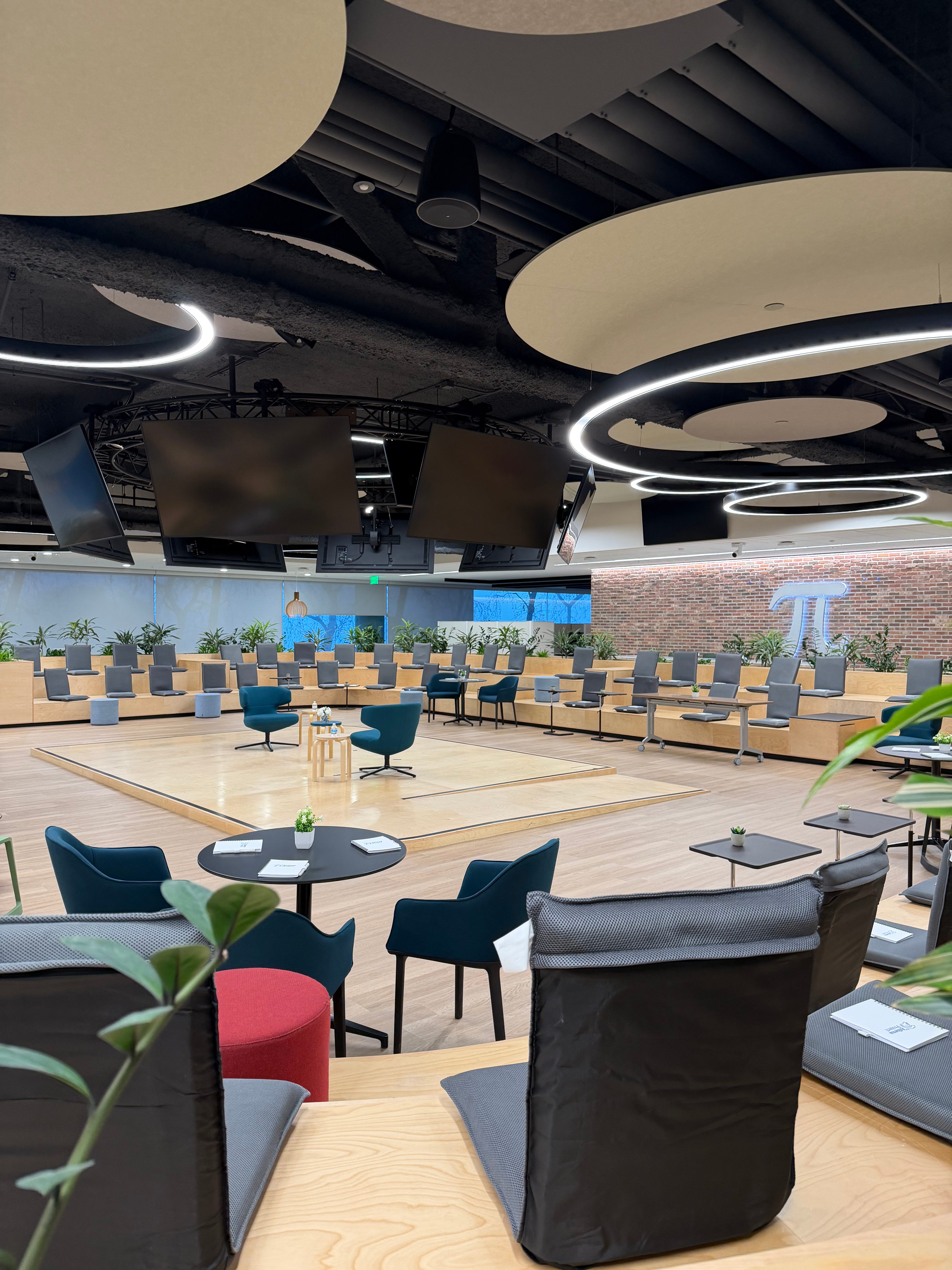
On January 15, 2026 a group of 80 leaders across a spectrum of business, medicine, academia, and government convened for the Inaugural Athena Project Silicon Valley Leadership Salon at the SAP Institute in San Ramon California. These included early investors in Tesla and SpaceX, Fortune 500 C-Suite executives, legendary marketing and media leaders, AI trust and safety executives, entrepreneurs and more.
The Athena Project is a membership-by-invitation “tribe” focussed on modern leadership where the emphasis is on the human and not the title or the company. The topics are wide spectrum pivoting from strategy to technology to medicine to innovation to life long learning and addressing fear and weakness. The discussion is under Chatham House rule with attendees being able to share learning but not associate them with the person who shared it. The focus is on honest interaction, spirited conversation and community building.
There were dozens of takeaways but here are six intriguing perspectives:
1. Mercenaries versus Missionaries: The most successful entrepreneurs tend to be missionaries rather than mercenaries. A mercenary will sell at a price whereas a missionary will endure all setbacks and sacrifice everything driven by the an underlying purpose and infinite zeal. Long term exponential wealth and societal impact are driven by the missionaries and finding them is the holy grail of Silicon Valley.
This missionary zeal makes for successful leaders particularly in changing times where the future is uncertain and doubters are everywhere. Purpose is what attracts human capital more than wealth creation. This is because most wealth creation happens on the contrarian and radical bet versus jumping into a trend that has become recognizable.
The belief of purpose vs the belief in profit.
2. Culture is hard and not soft: Research indicates that if one firm performs better than a competitor in the same category, up to half of the gap in performance is attributable to culture.
Culture is best defined as widely shared, deeply held beliefs about acceptable behavior.
In the best companies culture does not happen to a person but rather the person makes the culture.
Often culture can be modeled and spread through “difference makers” who exemplify the right behaviors regardless of their level. Culture spreads through a zone of influence vs a zone of control.
Increasingly cultures that work are more about belonging than autonomy and increasingly the best cultures focus on human principles vs management dictates.
A laundry list of tenets a culture does not make. The fewer and more focused goals and missions the stronger a culture.
3. Health-span vs Sick-span: Lifespan refers to the total duration from birth to death, while health-span is the period of general health within that lifespan, and sickspan is the period of intermittent or continuous morbidity and disability that typically follows the health-span.
The reason health care is broken is that most of the 5 trillion dollars of spending is spent in the sick-span versus extending health-span through prevention. For every year we reduce the US population from spending its time in sick span we would save 38 trillion dollars over the next decade.
The real breakthrough of AI will be in identifying ways to reduce Alzheimers by identifying what combinations of interventions such as are shingles vaccines, GLP-1 drugs, and others work as well as the discovery and scaling of personalized medicine.
A combination of AI-driven pharmaceuticals and bio-tech break throughs and physical AI where physical machines and LLMs and World Models fuse are making exponential advances that are likely to significantly increase both lifespan and health-span.
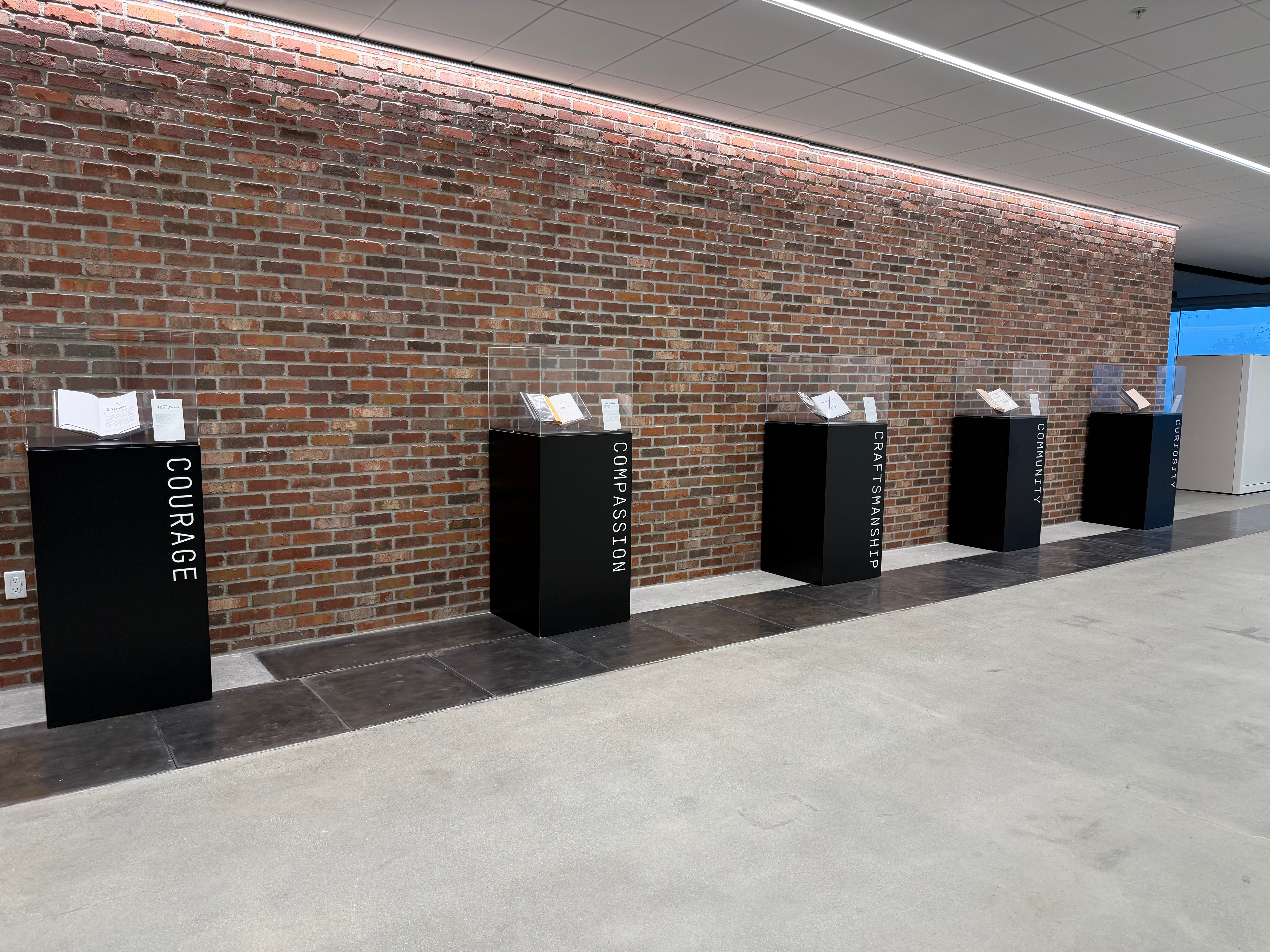
Courage. Compassion. Craftsmanship. Community. Curiosity. Key pillars at the SAP which resonate with those of The Athena Project. Each stand has a first edition book signed by luminaries like the Dalai Lama for Compassion or Nelson Mandela for Courage.
4. 2026 will be the year of the Fusion Workforce of Humans and Agents working together and the rise of LQ: Comprehensive research across scores of companies by some members of The Athena Project indicated that most CMOs expect that 25 percent of their workforce will be agentic in two years. Many leaders and companies are bifurcating into those leaning into the future and those justify resisting it.
Those embracing the new world are leveraging and addressing human and not just technological challenges. Today every leader is grappling with fear , working to ensure their own relevance and grapple with a speed of change which is impossible to keep up with.
Learning Quotient (LQ) or even Unlearning Quotient becomes a key mental attribute. The ability to upgrade one’s mental operating system while being willing to unlearn and give up old ways is the human challenge in leading in the AI Age.
Lifelong learning was a focus theme at The Athena Project Chicago Leadership Salon hosted by The University of Chicago Graham School in November which continued to resonate in Silicon Valley.
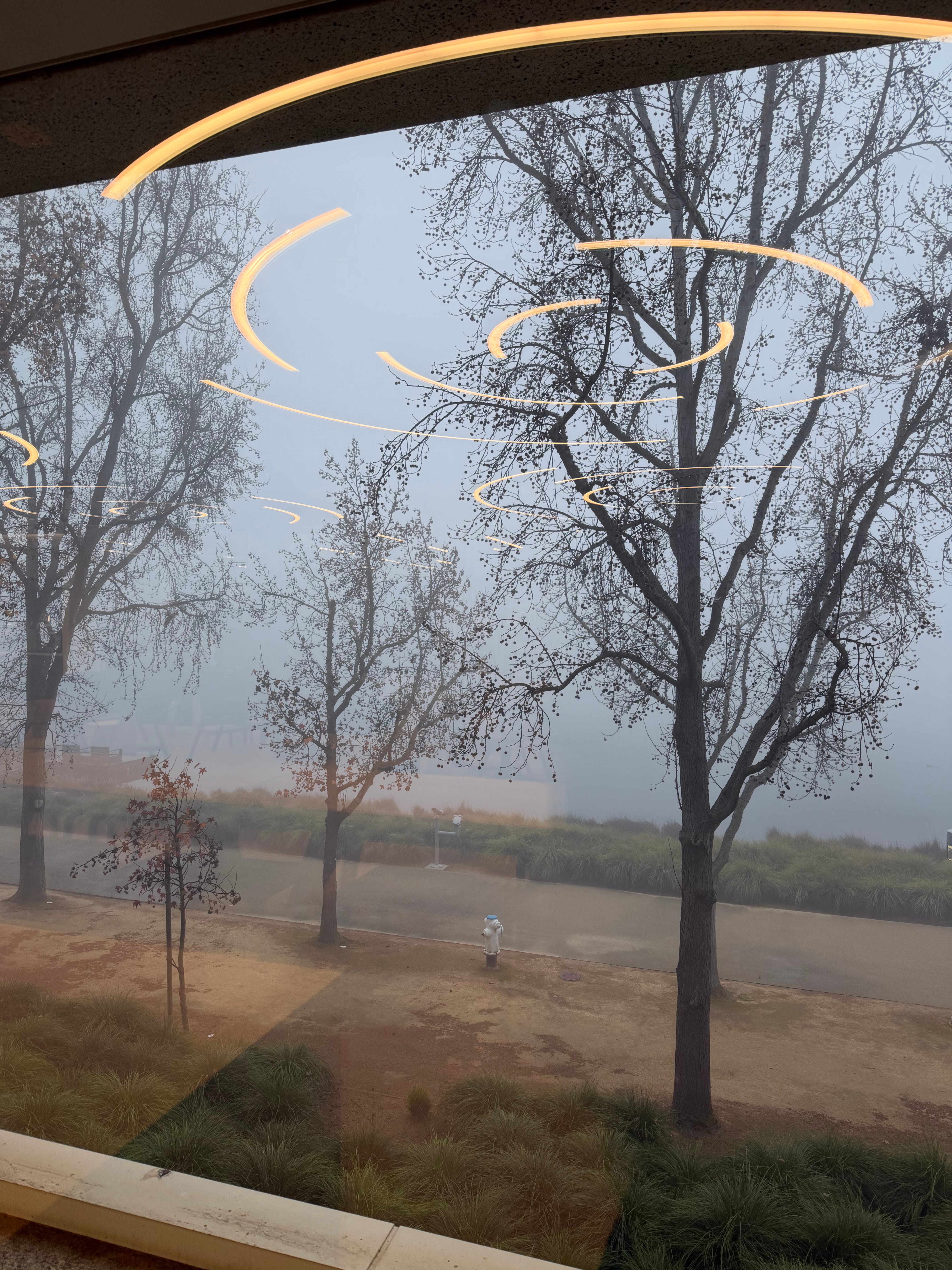
View from the SAP Institute for Product and Engineering.
5. Start Again/Reinvent: One of the most powerful examples shared at Athena was a story about the CEO of a software services company who ran an offsite asking their leaders to use some of the newest tools from Anthropic including the Claude 4.5 powered ClaudeCode and Cowork to replace their product! The results of what they achieved were so mind opening that the company is rethinking its entire product line and services.
Another rethinking we workshopped was the transition from search to an answer economy where deep trusted conversations are happening within the chatbots and conversations become the new interface. In such a world of new “zero-moment’s of truth” with agentic and integrated shopping every firms go to market approach needs to be reinvented from the ground up. Smart companies have begun questioning the value of both existing proprietary tools which they may have spent hundreds of millions of dollars and years in developing which now can be replicated for almost nothing in almost no time. Similarly given how personal and specific the information sharing is in real time between a chatbot and an individual, every company needs to evaluate who owns these interactions and if these do not just supplement but may overwhelm the value of first party data!
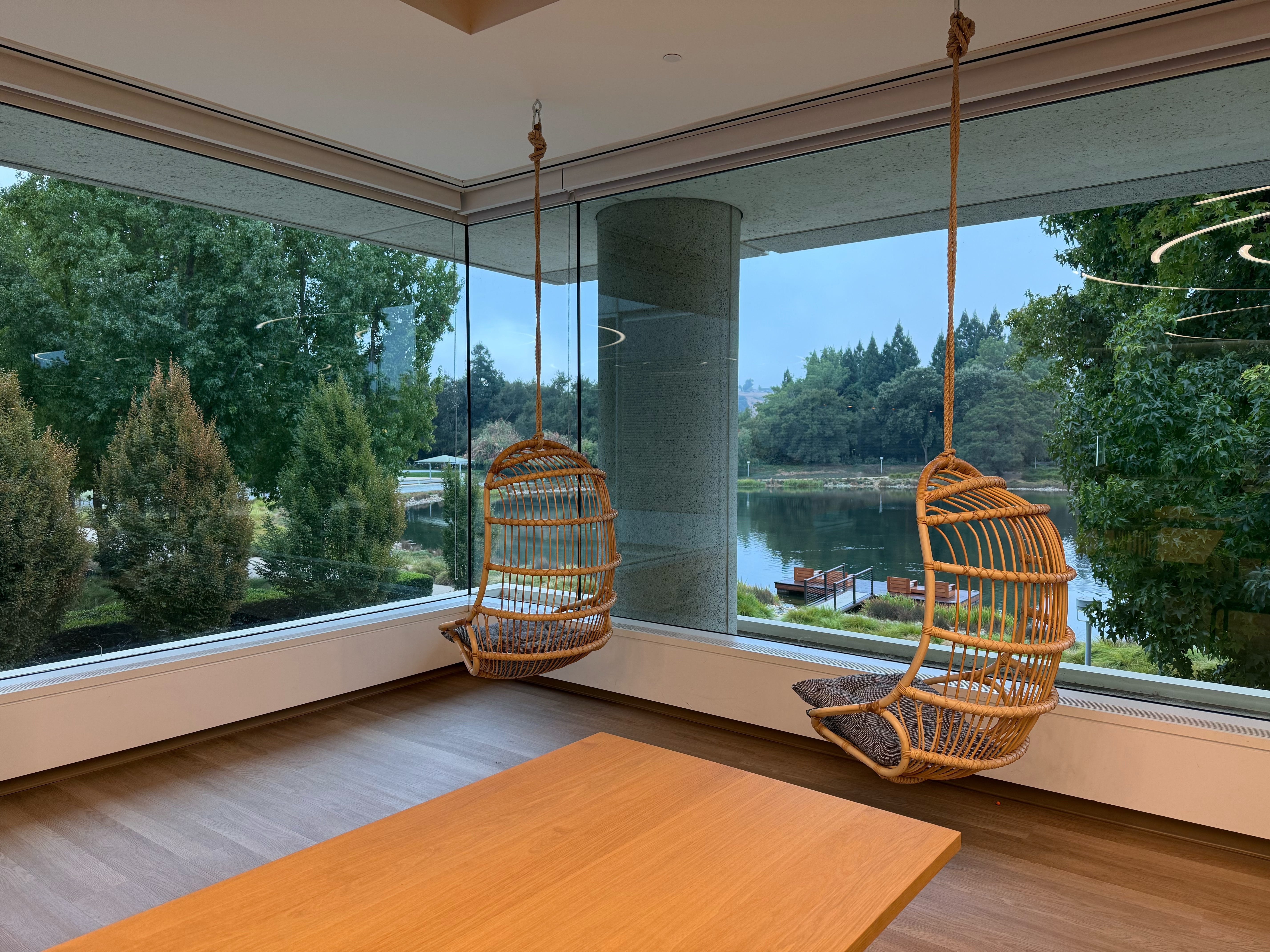
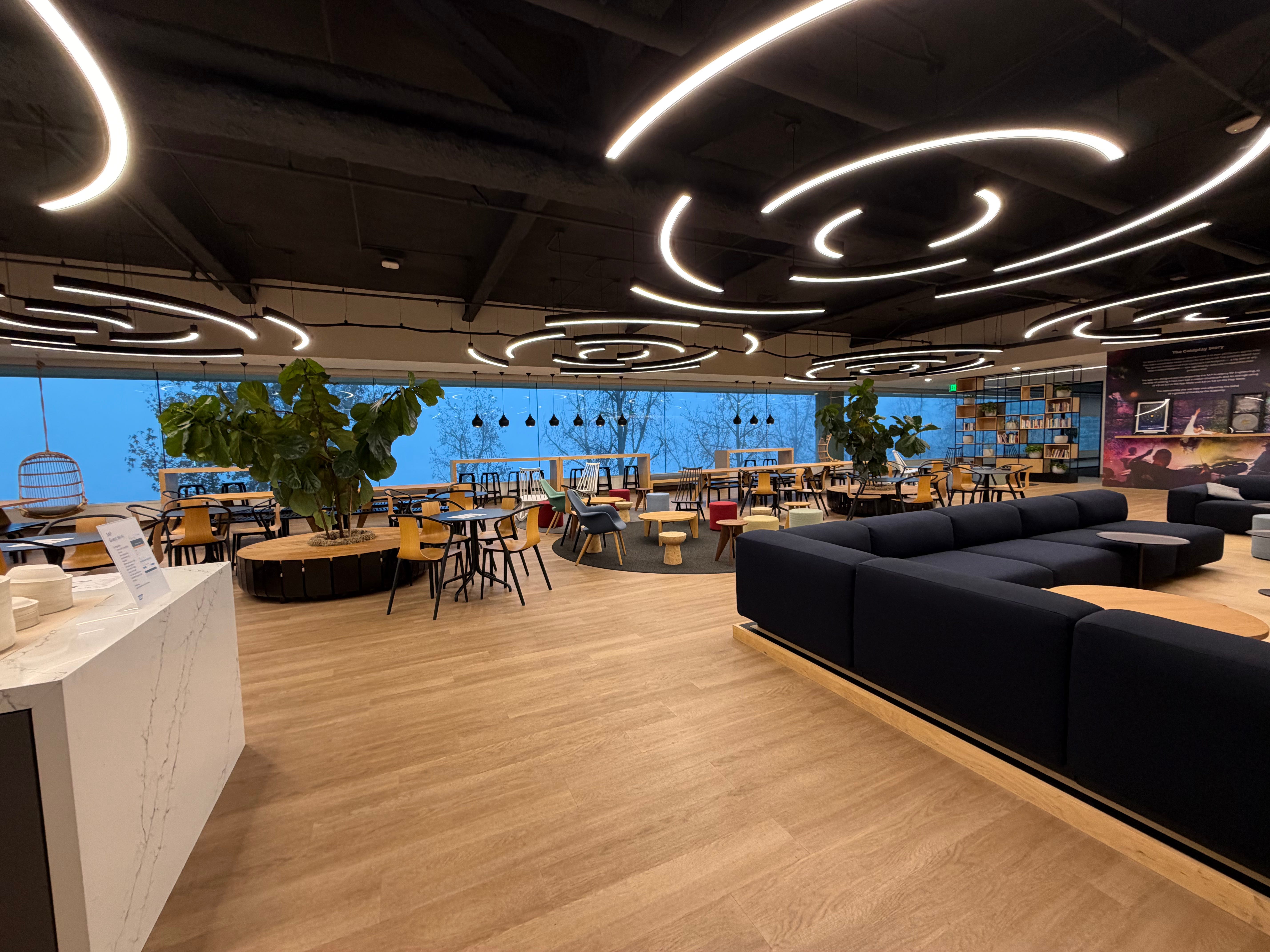
A view form the SAP Institute of Product and Engineering.
6. Stakeholdering is a verb: Companies do not transform but people do. However it is people working together within an organization and across organizations that drive reinvention in these tectonic times. In a world of MCP’s ( Model Context Protocols and API’s ( Application Programming Interfaces) allow for machine to machine and agent to agent and other interactions a human based company will need alignment of goals, engendering of trust and a willingness to fail.
One of our leaders shared the big learning he received which was that he should spend much of his time not within his own marketing organization but with the financial, technology and product teams to better understand what they do. His belief is that modern leaders must build relationships and bridges in order to create organizational cultures where the silos of the past are eroded so cross-functional teams can collaborate, communicate and co-invent the future together.
Stakeholders should be replaced by the concept of Stakeholdering.
Thank you to V. R. Ferose and his incredible team at SAP who have designed the amazing space and were superb hosts that made the Athena Silicon Valley Salon a meaningful mind and heart opening experience.
Hoping some of this thinking spills over into the billionaires club of companies so that they treat their employees better including more pay. Don't they have enough?
Outstanding observations, Rishad. Always so sharp and clear eyed. For me, your articles are akin to "brain food" 🧠
Please keep up your excellent work 👌